Road Trip Ready: Navigating Long-Distance Travel and Changing Weather This Heritage Day
Heritage Day is almost here, and for many of us, that means packing up the car, hitting the open road, and heading out to celebrate with family and friends. Whether you are chasing the coast or heading inland to explore our beautiful country, a long weekend road trip is the ultimate way to unwind.
However, spring weather can be notoriously unpredictable. One minute the sun is blazing, and the next you might find yourself driving through a sudden downpour, heavy mist, or strong gusty winds.
At Ezy Panelbeaters, we want to ensure your journey is as smooth and safe as possible. Here is your ultimate guide to preparing your vehicle and mastering different weather conditions for a worry-free Heritage Day getaway.
Part 1: The Ultimate Pre-Trip Vehicle Check
Before you turn the ignition and set off on your long-distance adventure, take 15 minutes to run through these essential checks. A little preventative maintenance goes a long way in avoiding unexpected breakdowns or accidents.
- Tires (Including the Spare): Check your tire tread depth and pressure. Spring temperature fluctuations can cause tire pressures to drop. Don’t forget to make sure your jack and wheel spanner are in the boot and ready for action.
- Wipers and Windscreen: Spring showers arrive without warning. If your wiper blades are streaking, squeaking, or leaving a film on the glass, replace them immediately. Top up your washer fluid with a proper cleaning solvent.
- Lights and Indicators: Walk around your vehicle and test your headlights, high beams, brake lights, and indicators. Visibility is critical when weather turns sour.
- Fluid Levels: Pop the hood and check your engine oil, coolant, brake fluid, and power steering fluid. Keeping these topped up prevents engine overheating during long stretches of driving.
- Brakes: Listen closely to your brakes. If you hear squealing or notice a spongy pedal response, have a professional inspect them before you hit the highway.
Part 2: Driving Safely in Different Weather Conditions
South Africa’s diverse landscapes mean you could experience three distinct seasons in a single day of driving. Here is how to adapt your driving style when the weather turns challenging:
1. Driving in Heavy Rain and Thunderstorms
Spring storms can reduce visibility to almost zero and create treacherous hydroplaning hazards.
- Slow Down: Reduce your speed and increase your following distance to at least four to five car lengths. Braking distances double on wet roads.
- Avoid Puddles: Never drive through deep, standing water if you cannot gauge its depth. It can hide deep potholes or flood your engine.
- Turn on Headlights: Even in daytime rain, turn on your headlights so oncoming traffic and cars behind you can see you clearly. Never use hazards while driving normally in the rain, as this confuses other motorists.
2. Navigating Coastal or Mountain Mist
Mist and fog are common hazards when traveling through mountain passes or near coastal areas during early mornings and late evenings.
- Use Fog Lights: Turn on your front and rear fog lights if your car is equipped with them. Avoid using high beams, as the light will reflect off the moisture droplets and blind you.
- Follow Road Markings: Use the white or yellow road lines as your guide to stay in your lane.
- Listen Carefully: Roll your window down slightly at tricky intersections or blind spots to listen for oncoming traffic that you might not be able to see.
3. Handling Strong Crosswinds
Open plains and mountain passes can bring sudden, powerful gusts of wind that buffet your vehicle.
- Keep Both Hands on the Wheel: Maintain a firm, ten-and-two grip on the steering wheel to counteract sudden steering pulls.
- Watch High-Sided Vehicles: Give trucks, buses, and vehicles towing trailers plenty of space. They act as windbreaks and can shift unpredictably in severe gusts.
- Reduce Speed: Slower speeds give you more reaction time if a sudden gust pushes your car sideways.
Part 3: General Long-Distance Road Trip Tips
- Plan Your Stops: Driver fatigue is a major contributor to holiday accidents. Plan to stop every two hours or 200 kilometers to stretch your legs, grab a coffee, and refresh your focus.
- Pack an Emergency Kit: Keep a basic kit in your boot containing a flashlight, reflective triangles, a first-aid kit, bottled water, and a charged power bank for your phone.
- Stay Informed: Keep an eye on local weather forecasts and traffic updates via radio or travel apps before and during your journey.
Arrive Safe and Celebrate
From all of us at Ezy Panelbeaters, we wish you a fantastic, joyous, and safe Heritage Day long weekend celebrating our rich cultures and wonderful landscapes.
Remember, while we are always here to help restore your vehicle to showroom condition if the unexpected happens, we’d much rather see you arrive at your destination safely! Safe travels on the road ahead.
- Published in Uncategorized
Beating The Heat: Why Your Car’s Aircon Is Your Best Defense Against The Upcoming El Niño Heatwave
As meteorologists and climate monitoring bodies issue urgent warnings regarding a strengthening El Niño cycle, Southern Africa is bracing for an intense season of thermal pressure. With forecasts pointing toward an early spike in temperatures and prolonged, scorching heatwaves across the interior, daily commuting and long-distance driving are about to become a whole lot more grueling.
When ambient temperatures soar into the high thirties and beyond, your vehicle can quickly transform into a mobile oven. While most drivers focus on keeping their homes cool, your car’s climate control system deserves equal attention. Here is why a working car air conditioner isn’t just a luxury—it is an absolute necessity for the upcoming months.
The Science of the Squeeze: What El Niño Means for Drivers
El Niño weather patterns are notorious for driving up ambient temperatures and increasing the frequency of intense heatwaves. When you step into a car parked under the midday sun, cabin temperatures can easily skyrocket 15°C to 20°C higher than the outside air within minutes.
Driving under these conditions isn’t just uncomfortable; it is physically draining. Extreme cabin heat can lead to driver fatigue, sluggish reaction times, and dehydration—all of which drastically increase the risk of accidents on the road. A fully functioning air conditioning system acts as your primary shield, keeping cabin temperatures stable and allowing you to stay alert and focused behind the wheel.
More Than Just Cool Air: The Hidden Benefits of AC Regassing
If your vehicle’s air conditioner has been blowing lukewarm air, or if it takes ages to cool down the interior, a simple blower adjustment won’t cut it. Over time, vehicle AC systems naturally lose refrigerant gas through microscopic permeable hoses and standard wear and tear—typically at a rate of about 10% to 15% per year.
An air con regassing service clears out the old, depleted refrigerant, checks the system for minor leaks, and replenishes the gas and lubricating oil to factory specifications. Here is why getting this done before the peak heat hits is crucial:
-
Protects Your Compressor: The refrigerant gas also carries the oil that lubricates your AC compressor. Running a depleted system forces the compressor to work twice as hard, leading to catastrophic and costly mechanical failure.
-
Improves Fuel Efficiency: When your AC lacks refrigerant, it runs continuously trying to reach a target temperature it can never hit. This places an unnecessary load on your engine, burning more fuel. A freshly regassed system cools efficiently and saves petrol.
-
Air Quality and Dehumidification: Modern car air conditioners don’t just cool the air; they dry it out. This is vital for clearing up foggy windows during sudden summer downpours and preventing musty, bacteria-laden air from circulating through your vents.
Don’t Wait for the First Heatwave
Waiting until the middle of a brutal heatwave to check your car’s air conditioning is a recipe for frustration. Workshops get heavily booked the moment the first wave of extreme heat rolls across the country.
Beat the rush, protect your health, and ensure your daily commute remains a breeze. If your vehicle’s AC is showing signs of weakness, drop by Ezy Panelbeaters for a professional air con check and regas today. Stay cool, stay safe, and take control of your comfort on the road!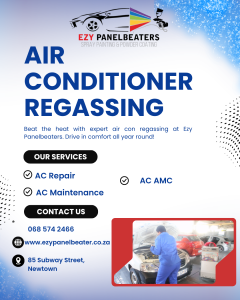
- Published in Uncategorized
More Than Just Looks: Why Hidden Mechanical Damage Matters

When you’re involved in a minor fender bender, it is easy to breathe a sigh of relief if the damage appears purely cosmetic. A scuffed bumper or a small dent on the fender might seem like a simple fix—or something you can “live with” for a while. However, at Ezy Panelbeaters and Spraypainters, we often see the “iceberg effect” in vehicle repairs. What you see on the surface is rarely the full story.
The Hidden Impact of Minor Collisions
Modern vehicles are marvels of engineering, but they are also delicate systems designed to absorb impact energy to protect you. Even a low-speed collision sends shockwaves through the vehicle’s frame, which can disrupt complex systems hidden just behind those exterior panels.
1. The Subtle Shift in Alignment
Your car’s suspension is designed to maintain specific geometry to keep your tires flat on the road and your steering predictable. A seemingly minor jolt to a wheel or corner of the bumper can tweak your steering knuckles, tie rods, or control arms.
You might not notice it on the first drive home, but over the following weeks, this misalignment can lead to uneven tire wear, a car that “pulls” to one side, and reduced fuel efficiency. Addressing this early during your body repair prevents expensive tire replacements and suspension failures down the line.
2. Suspension Fatigue
Your suspension components—struts, shocks, and bushings—are the unsung heroes of your driving comfort. A localized impact can put immense stress on these components. While they may not break instantly, a bent component can cause accelerated wear on neighboring parts. A professional inspection ensures that what started as a “small bump” doesn’t turn into a clunking, unstable ride months later.
3. The Digital Brain: Sensor Calibration
Perhaps the most critical “hidden” issue in modern vehicles involves Advanced Driver Assistance Systems (ADAS). Your car likely relies on cameras, radar, and ultrasonic sensors located in or behind your bumpers, grille, and windshield to power features like:
-
Automatic Emergency Braking
-
Lane Departure Warning
-
Adaptive Cruise Control
Even a slight misalignment of a sensor—caused by a bumper being pushed just a few millimeters—can throw off your vehicle’s safety systems. Your car might look fine, but the “brain” of the vehicle may no longer be seeing the road correctly.
Expanding Our Expertise
We are excited to announce that Ezy Panelbeaters and Spraypainters now offers comprehensive mechanical repairs alongside our signature bodywork. Furthermore, we are proud to be officially approved by the Telesure group of insurance companies, ensuring that you receive quality service that meets the highest industry standards.
By integrating mechanical diagnostics with our expert panel beating, we ensure your safety features remain fully functional and your vehicle is restored to its original performance.
Why Expert Eyes Matter
At Ezy Panelbeaters and Spraypainters, we don’t just focus on the paint and the finish. We look at your vehicle as a complete system. Our team is trained to identify the ripple effects of an impact, ensuring that your car isn’t just restored to its original shine, but that it remains mechanically sound and safe to drive.
Don’t wait for a small issue to become a major repair bill. If you’ve had a bump, bring your vehicle in for a professional assessment. Let us take a look under the surface so you can drive away with complete peace of mind.

- Published in Uncategorized
What is Panel Beating? The Art and Science of Dent Repair
To most people, a car accident happens in a split second, but the aftermath feels like it lingers forever. You look at a crumpled fender or a deeply creased door panel and think, “There is no way that will ever look the same again.”
Then, a few days later, you pick up your car from the shop. The metal is flawless, the paint reflects the light perfectly, and it looks exactly as it did the day it rolled off the showroom floor.
It feels like magic. But in reality, it is a highly specialized blend of old-school craftsmanship and cutting-edge technology. Welcome to the world of panel beating. Let’s demystify exactly what happens behind the garage doors to restore your vehicle to factory condition.
The Before: Assessing the Metal
When a damaged car first arrives at the workshop, it is rarely just about the surface dent. Modern vehicles are engineered with specific “crumple zones” designed to absorb impact and protect you during a collision.
Before a single tool is lifted, the vehicle undergoes a rigorous diagnostic and structural assessment. Panel beaters look past the dented exterior to see if the underlying chassis or frame has shifted. Restoring a car isn’t just about making it look pretty; it’s about ensuring it is structurally safe to protect you if you are ever in an accident again.
The Science: Aligning the Framework
If the structural integrity of the car has been compromised, the repair begins with heavy-duty science.
-
Chassis Realignment: Utilizing advanced hydraulic pulling systems and precise digital measuring equipment, the car’s frame is clamped into place.
-
The Pull: The machinery applies calculated, incremental pressure to pull the structural pillars back to their exact factory specifications—down to the millimeter.
Without this scientific precision, your wheels might not align properly, your doors might not close right, and the car’s safety features could fail in a future impact.
The Art: Reshaping the Panels
Once the underlying structure is perfectly straight, the true artistry begins. This is where the panel beater’s experience and touch come into play. Metal has a “memory”—when it is crushed, it stretches and hardens in its new shape. The craftsman’s job is to gently coax it back into its original form without stretching or weakening the material.
-
Shrinking and Stretching: Using specialized hammers, dollies (shaped metal blocks held against the back of the panel), and heat, the panel beater meticulously manipulates the metal.
-
The Touch: A master panel beater relies heavily on their sense of touch. They will run a gloved hand over the bare metal repeatedly, feeling for microscopic high or low spots that the human eye can’t see.
-
Planishing: This is the fine-tuning process where light, rapid hammer strokes smooth out the surface of the metal until it is completely uniform.
The After: Seamless Transformation
Once the panel is perfectly shaped, it moves over to the spray painting technicians. Even the most perfectly beaten panel needs a flawless finish to complete the illusion.
The repaired area is primed, meticulously sanded, and moved into a specialized, dust-free spray booth. Here, using computer-aided color matching, the painters mix a formula that accounts for the exact factory tint and any natural weathering the rest of the car has experienced.
After several coats of paint and a durable clear coat, the vehicle is baked to cure the finish. When it rolls out into the sunlight, the transition is seamless. The crinkled metal from days before is gone, replaced by a smooth, glossy reflection.
Restoring Value and Peace of Mind
Panel beating is far more than just hitting a dent with a hammer. It is a meticulous process that requires patience, decades of learned skill, and a deep understanding of metallurgy and automotive safety.
At Ezy Panelbeaters and Spraypainters, we treat every repair as a work of art and a commitment to your safety. We don’t just fix cars; we restore your pride in your ride and give you back the peace of mind that comes with a job expertly done.
Have an unsightly dent or scratch that’s been bothering you? Bring your car by the shop today for a professional evaluation, and let us show you the art of the perfect repair.
- Published in Uncategorized
Demystifying the Insurance Claims Process After an Accident
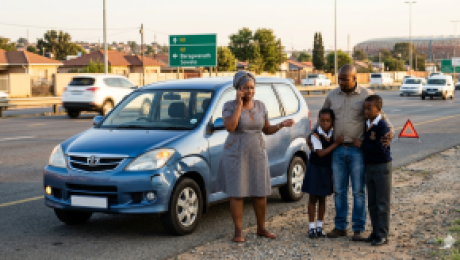
Getting into a car accident is stressful enough. But for many drivers, the real headache begins after the dust has settled—when it’s time to deal with insurance paperwork, excess payments, and finding the right repair shop.
If you are staring at a fresh dent and feeling overwhelmed, you aren’t alone. The insurance claims process can feel like a maze, but it doesn’t have to be.
Here is a simple, step-by-step guide to navigating your claim smoothly, getting your approvals sorted, and ensuring your car gets the expert care it deserves.
Step 1: Document Everything at the Scene
Before you even call your broker, your claim relies heavily on what happens right after the incident. If it is safe to do so, ensure you collect:
-
The Basics: The other driver’s name, ID number, contact details, and insurance information.
-
The Details: The make, model, and registration number of any other vehicles involved.
-
The Evidence: Clear photos of the damage to both cars, the overall accident scene, and any relevant road signs or markings.
-
The Authority: Report the accident to the police within 24 hours to get a Case Number (AR Number), which is mandatory for almost all vehicle insurance claims in South Africa.
Step 2: Lodge Your Claim Promptly
Don’t wait to report the incident to your insurance provider. Most insurers have a strict window (often within 30 days, but sometimes sooner) for lodging a claim. When you call or log onto their app, have your police case number, accident details, and photos ready.
Pro Tip: Ask your insurer exactly what your policy covers regarding towing services. Using an unauthorized towing company can sometimes lead to unexpected out-of-pocket expenses.
Step 3: Understand Your Excess
One of the biggest points of confusion for drivers is the excess. This is the fixed amount you agreed to pay upfront toward any claim when you took out your policy.
-
When do you pay it? Typically, you will pay this directly to the repair shop when you pick up your fully restored vehicle.
-
Can you get it back? If the accident wasn’t your fault, your insurance company may try to recover the excess from the third party’s insurance, but this can take time. Plan to have your excess amount ready so your car isn’t held up once repairs are finished.
Step 4: Choosing Your Repair Shop (Your Right to Quality)
Insurers usually have a network of “approved repairers.” They direct you to these shops because they trust their standards and have pre-negotiated rates.
When choosing a panelbeater from your insurer’s list, or if you are advocating for your shop of choice, look for key indicators of peace of mind:
-
Manufacturer Approvals: Ensure the shop is equipped to handle your specific car brand without voiding your structural warranty.
-
Workmanship Guarantees: A quality repairer stands by their work. Look for shops that offer a clear warranty on both the bodywork and the paint finish.
-
Clear Communication: The shop should keep you updated on parts ordering, structural repairs, and paint matching so you are never left guessing.
Step 5: The Assessment and Approval
Once your car is at the shop, an insurance assessor will review the damage alongside the digital quote generated by the panelbeater. They check to ensure the repair costs align with your policy and market values. Once the insurer issues an Authorization to Repair, the team can officially strip the vehicle, source genuine parts, and get to work.
Let Us Take the Stress Out of the Process
At Ezy Panelbeaters and Spraypainters, we believe the repair process should be exactly what our name says: Ezy. We work closely with major insurance providers to streamline assessments, manage paperwork, and get your vehicle back to factory condition with minimal disruption to your life.
As a proud partner affiliated with the Telesure Group, we work directly alongside some of South Africa’s leading insurance brands to ensure your claims, approvals, and structural repairs are handled effortlessly, transparently, and to the highest industry standards. From flawless paint matching to precision bodywork, our team handles the details so you can focus on getting back on the road.
Have questions about an insurance quote or need an assessment? Bring your vehicle by the shop or contact us today, and let’s get it sorted.




- Published in Uncategorized
Why Diagnostic Testing is Essential for Your Vehicle

Modern vehicles are marvels of engineering, essentially acting as high-performance computers on
wheels. While many drivers associate panelbeaters solely with aesthetic repairs and bodywork,
maintaining the health of your car’s internal systems is just as vital to its longevity and safety. At
Ezy Panelbeaters and Spraypainters, we believe that true vehicle restoration and maintenance go
deeper than the paint job.
What is a Car Diagnostic Test?
A diagnostic test is a digital analysis of your car’s various computer systems and
components. Using specialized software, technicians can identify issues within the engine,
transmission, exhaust system, brakes, and other major components, as well as performance
issues with the fuel injector, air flow and coolant, ignition coils, and throttle.
The Benefits of Regular Testing
1. Speed and Accuracy
In the past, mechanics had to rely on manual inspections and “trial and error” to locate the source
of a strange noise or a drop in performance. Today, diagnostic tools can pinpoint the exact source
of a problem in minutes. This accuracy ensures that we only fix what is broken, saving you time
and reducing labor costs.
2. Preventing Major Failures
Often, a “Check Engine” light is the first sign of a minor issue that, if ignored, could lead to a
catastrophic failure. Diagnostic tests can detect “pending” codes—faults that haven’t triggered a
dashboard light yet but are negatively impacting your vehicle’s efficiency. Catching these early
prevents expensive repairs down the road.
3. Improving Safety
Vehicle safety systems, such as Airbags, Anti-lock Braking Systems (ABS), and Electronic Stability
Control (ESC), are all monitored by the car’s onboard computer. A diagnostic test ensures these
critical systems are fully operational, providing you with peace of mind every time you get behind
the wheel.
When Should You Get a Diagnostic Test?
You don’t need to wait for a warning light to appear. We recommend a diagnostic check-up during
the following times:
After an Accident: Even minor collisions can disrupt sensors or electrical connections that
aren’t visible to the naked eye.
Annual Maintenance: Include a scan as part of your yearly service to ensure everything is
running at peak efficiency.
Before Buying a Used Car: A professional scan can reveal hidden issues that a seller might
not be aware of (or might be trying to hide).
Expert Care at Ezy Panelbeaters
Our commitment to excellence means we stay updated with the latest automotive
technology. Whether we are repairing structural damage or performing routine checks, we
treat every vehicle with the precision it deserves.
Is your car acting up? Visit us today for a comprehensive diagnostic scan and keep
your vehicle running like new.

- Published in Uncategorized
From “Write-Off” to Wow: Rebuilding a Wrecked Mercedes-AMG to Perfection
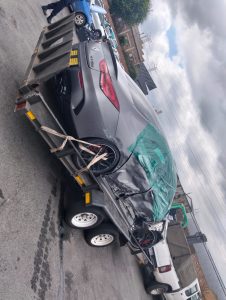
When a high-performance luxury vehicle is severely damaged, many panel beaters take one look and walk away. But at Ezy Panelbeaters and Spraypainters, we see a challenge—and an opportunity to showcase our world-class expertise.
Recently, we welcomed a specific client whose world had been flipped upside down. They arrived with a Mercedes-Benz CLA 45 S AMG in a condition that can only be described as devastating. This wasn’t a fender bender; it was a total restoration job, requiring structural rebirth, advanced parts logistics, and a finish that few shops can properly replicate.
Here is the step-by-step journey of that breathtaking restoration.
The Initial Assessment: Assessing the Carnage
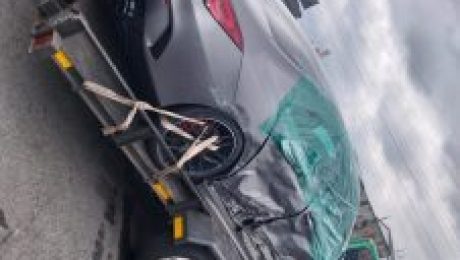
The moment the vehicle arrived on the trailer at our workshop, the severity of the challenge was clear. The AMG had sustained significant impact damage to the front right quadrant, rippling through the suspension and the right passenger side.
The “crushed” passenger door (seen under protective film), the total collapse of the front-right suspension, and the deformed hood panel made this a multi-dimensional repair.
Phase 1: Expert Disassembly and International Logistics
Restoring a vehicle of this caliber isn’t just about bending metal back into shape; it’s about precision engineering. Our expert technicians began a meticulous disassembly. Given the AMG’s complexity, we couldn’t rely solely on local stock. To ensure this luxury car was restored to true factory standards, we immediately arranged for a dedicated import of specific, genuine Mercedes-AMG components.
While we waited for the essential components to traverse the ocean, our team prioritized stabilizing the chassis and preparing the engine bay for the complex work ahead.
Phase 2: Structural Integrity and Precision Fitment
As the imported parts arrived—including a complete new suspension assembly, subframe components, a side mirror, and crucial structural panels—the real work began.
The core of our shop is our specialized panel beaters. Using precision electronic measuring systems, they pulled and aligned the main structure back to within millimeters of its original factory blueprint. This step is critical; if the underlying structure is wrong, the new panels will never fit properly, and the high-performance handling of the AMG will be compromised.
Our experts then meticulously fitted the imported body panels. We spent hours adjusting gaps and contours, ensuring that the lines between the hood, fender, and the massive AMG door panel were flawlessly precise.
Phase 3: Mastering the Matte Paint Finish
The single biggest challenge of this entire restoration wasn’t the structural repair—it was the paint. This Mercedes-Benz was finished in its highly signature, factory matte Magno grey paint.
Matte finishes are notoriously unforgiving. They cannot be polished to blend imperfections, and they require highly specialized skills to apply evenly, matching the texture of the original panels perfectly. We had to ensure the restored right side was an invisible match to the untouched left side and rear of the vehicle.
Using our computerized color-matching system and our master painter’s experienced eye, we achieved a perfect, consistent, deep-matte finish across the entire right quadrant. This is where the true art of our spraypainters was showcased.
Phase 4: Reassembly and Detailing the Interior
With the body perfectly straight and painted, it was time to put the AMG back together. We rebuilt the front suspension using those newly imported components, installed the specialized headlight unit, the intricate AMG grille, and that specific side mirror.
The reassembly included painstaking attention to the vehicle’s complex electrical systems and sophisticated infotainment. Our technicians ensured that every electronic component, from the multi-colored ambient interior lighting to the advanced radar safety systems, was fully recalibrated and functioning flawlessly. Note the pristine illuminated AMG sills and the crisp reflection of the Mercedes logo projected onto the workshop floor.
The Final Result: A Resurrection
When the vehicle was finally wheeled out of our detailing bay, it was unrecognizable from the wreck that had arrived months before. The signature matte paint shimmered in the light, the AMG wheels were aligned to perfection, and the gaps were seamless.
We didn’t just ‘fix’ a car; we resurrected an engineering marvel. This transformation required a combination of expert panel beating, global sourcing, and elite painting skills. This AMG is now back in its glorious, factory-fresh state, its owner’s smile the best testament to our dedication.
If you have a vehicle—luxury or otherwise—that needs expert attention, contact Ezy Panelbeaters and Spraypainters. We make complex restorations easy.
- Published in Uncategorized
The Invisible Repair: The Science Behind Perfect Color Matching on Older Cars

Imagine this: You’ve had a minor crunch in the parking lot. The damage to your five-year-old sedan isn’t terrible, but the rear door needs repainting.
As you drive toward a body shop, one major worry nags at you. You’ve seen those cars on the road before—the ones where the repainted door is just slightly different from the rest of the car. It looks like a patch on a quilt, a permanent reminder of the accident.
At Ezy Panelbeaters and Spraypainters, we know that our customers’ biggest fear isn’t just the dent; it’s the finished look. A structurally sound repair is useless if the paintwork screams “I’ve been fixed!”
A common question we get is: “My car is five years old and has faded in the sun. How can you possibly match new paint to old paint?”
The answer isn’t magic. It’s a fascinating blend of high-end technology, chemistry, and skilled craftsmanship. Here is the science of how we make a repair invisible.
The Problem: Paint Doesn’t Stay Still
If your car was brand new yesterday, matching the paint would be relatively easy. But from the moment a car leaves the factory showroom, the environment starts attacking the paintwork.
UV rays from the sun act like a slow bleaching agent, subtly shifting pigments over time. Acid rain, road salt, frequent washing, and extreme temperature changes all contribute to weathering. A five-year-old “Metallic Blue” is chemically different from the same “Metallic Blue” fresh out of the can.
If we just used the original factory paint recipe, the new panel would look brighter, deeper, and obviously newer than the rest of the car.
Step 1: The “Birth Certificate” (The Paint Code)
Every vehicle has a factory paint code stamped somewhere on the body (often inside the driver’s door jamb or under the hood). This code tells us the exact formula the manufacturer used the day the car was built.
This is our starting point, but on an older car, it is never the final solution. It gives us the base recipe, but we know we need to adjust it for five years of aging.
Step 2: The High-Tech Eye (The Spectrophotometer)
This is where modern auto repair gets scientific. At Ezy Panelbeaters, we use a highly sophisticated device called a spectrophotometer.
Think of it as a specialized camera that doesn’t just see “blue.” It analyzes the paint structure in multiple dimensions. It measures the exact hue, the lightness or darkness, and the saturation (how intense the color is). It also analyzes the size and coarseness of metallic flakes or pearl essences suspended in the paint.
We place this device on an undamaged panel adjacent to the repair area (like the fender next to the damaged door). The spectrophotometer reads the current, faded color of your car, not the color it was five years ago.
Step 3: The Human Touch (Computer Analysis & Tinting)
The spectrophotometer feeds that data into our computerized mixing system. The computer compares the original factory recipe against the actual faded color on your car and calculates a new, adjusted formula.
But technology only gets us 95% of the way there. The final 5% relies on the experienced eye of our master spraypainters.
Paint colors can look different depending on the light source (this is called metamerism). A match might look perfect under fluorescent workshop lights but wrong in bright sunlight. Our technicians use daylight-simulating lamps and their years of experience to micro-adjust the tint, adding a drop more toner here or a pinch more metallic flake there, until the mixture is exact.
Step 4: The Final Secret—Blending
Even with a 100% perfect color match, if you just tape off a door and paint up to the edge, the human eye might still catch the transition line.
To ensure an excess repair is truly invisible, we use a technique called blending.
We don’t just paint the repaired spot. We apply the new color over the repair area, and then gradually “fade” that new paint out into the surrounding, undamaged panels. We then apply a clear protective coat over the entire area. This tricks the eye, making it impossible to see where the old paint ends and the new paint begins.
The Ezy Promise
When you pick up your car from Ezy Panelbeaters and Spraypainters, our goal is simple: you shouldn’t be able to tell us which panel we worked on. We don’t just fix cars; we restore them to their pre-accident condition, using the best science available to ensure a seamless finish.
Does your car need a touch-up that perfectly matches its current condition? Contact us today for an estimate.
- Published in Uncategorized